How Noise-Canceling Headphones Actually Work
Before we dive into whether they’re worth it, let’s demystify the tech:
Passive Noise Isolation: This is just physical blocking—thick ear cushions that muffle sound. Most headphones do this to some degree.
Active Noise Cancelation (ANC): The real magic. Tiny microphones pick up external noise, and the headphones generate "anti-noise" waves to cancel it out.
Key takeaway: ANC is best for constant, low-frequency sounds (plane engines, AC hum, traffic), not sudden noises (a baby crying, a door slamming).
The Pros: Why Noise-Canceling Headphones Can Be a Game-Changer
1. Travel Becomes More Peaceful Airplane cabin noise, train rumble, and environmental chatter are significantly reduced. For frequent travelers, ANC provides a much quieter experience.
2. Better Focus in Loud Spaces Open-office workers, coffee shop freelancers, and students in dorms utilize ANC for deep work.
3. Reduced Listening Fatigue When the brain isn’t straining to hear over background noise, audio can be played at lower volumes, which is better for long-term hearing.
4. Improved Call Clarity Many ANC headphones have microphones that filter out background noise, ensuring voice clarity during digital meetings.
The Cons: When Noise-Canceling Isn’t Worth It
1. They’re Expensive (But Not Always) Premium ANC headphones often represent a significant investment. However, budget options now offer decent performance at lower price points.
2. Battery Life Matters ANC drains power. If the battery is depleted, the user is left with regular and sometimes lower-quality sound.
3. The "Pressure" Effect Some people feel a slight ear pressure with ANC, similar to being on a descending plane. Most adjust, but some find it uncomfortable.
4. They Don’t Block Everything Sudden, high-pitched noises like sirens or barking still get through. ANC is not a complete substitute for earplugs.
Who Should (and Shouldn’t) Buy Noise-Canceling Headphones
Worth It If You…
-
Commute or travel frequently
-
Work in noisy environments
-
Prefer immersive music/listening
-
Are sensitive to background noise
Skip It If You…
-
Rarely deal with loud surroundings
-
Prefer ultra-lightweight earbuds
-
Are on a very tight budget
How to Choose the Right Pair
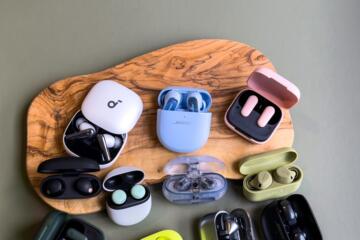
1. Decide: Earbuds or Over-Ear? Over-ear models generally offer better ANC and longer battery life but are bulkier. Earbuds are more portable, though their ANC is often less powerful.
2. Check Battery Life Look for substantial battery life with ANC enabled for over-ear models, and at least several hours per charge for earbuds.
3. Test Comfort Some headphones may clamp tightly or cause discomfort over time. It is advisable to check the fit before committing to a purchase.
4. Compare Sound Quality ANC technology does not automatically guarantee high-fidelity audio. Reviews can help identify models with balanced sound profiles.
5. Budget-Friendly Alternatives Several accessible brands offer solid ANC performance without the premium price tag of flagship models.
Final Verdict: Are Noise-Canceling Headphones Worth It?
Yes, if…
-
You are constantly battling noise in travel, open offices, or city living.
-
You are willing to invest in a quality pair or a reliable budget alternative.
No, if…
-
You mostly use headphones at home in quiet spaces.
-
You are satisfied with basic earbuds and are not bothered by background noise.
Personal Experience
The first purchase of ANC headphones for flights often becomes a necessity for all future commuting. Conversely, for those who work from a quiet home office, they might be considered unnecessary.
Bottom line: If noise is a significant distraction, ANC is a major improvement. If not, the investment may not be required.